
How to Practise Timed Writing at Home
A practical guide for parents and students to simulate 11+ exam conditions at home. Covers setting up the space, choosing timer lengths, progressing from untimed to exam pace, reviewing finished pieces, and tracking improvement over weeks.
In this article
Why Timed Practice Changes Everything
There is a difference between writing well and writing well under pressure. Most students can produce a decent story when they have an hour and the freedom to pause, think, and revise as they go. Put a 25-minute timer on the desk and everything changes. Handwriting gets messier. Vocabulary shrinks. The ending vanishes.
Timed practice closes that gap. It teaches your brain and your hands to work at exam speed. After enough repetitions, the time limit stops feeling like a threat and starts feeling like a familiar framework you know how to work within.
But timed practice only works if you do it properly. Sitting at the kitchen table with the television on, a phone buzzing nearby, and no clear plan for what happens afterwards is not real practice. It is just writing with a clock in the room.
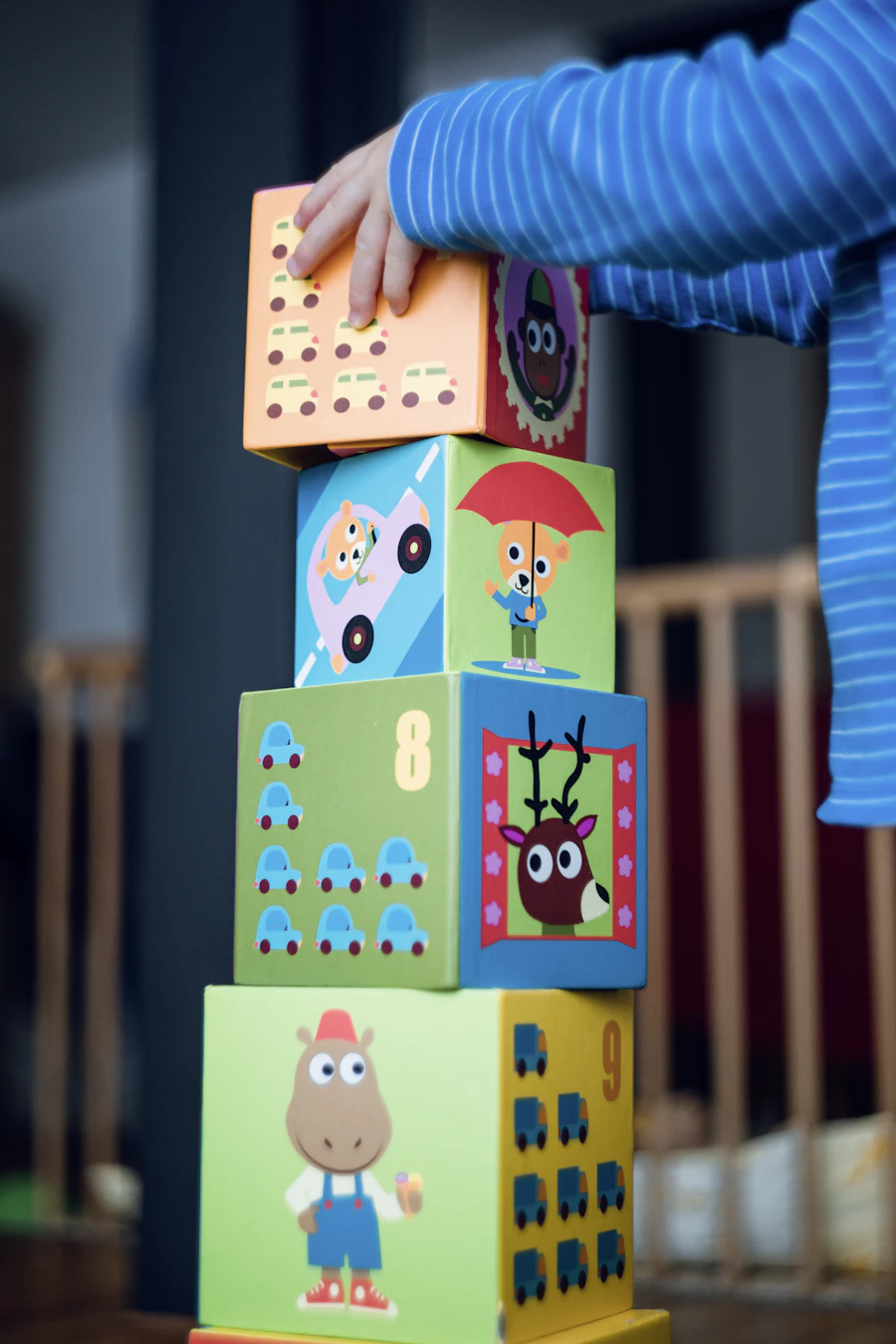
Setting Up the Space
Exam conditions mean something specific. Recreate them as closely as you can.
- Quiet location. No television, no music, no siblings running through the room. A kitchen table after dinner or a desk in a bedroom with the door closed works well.
- Paper and pen only. No laptop, no tablet, no phone. If you are using a phone as a timer, put it face-down across the room so the screen is not a distraction.
- A printed prompt. Write or print the prompt on a separate sheet so it feels like an exam paper. Reading it from a screen breaks the simulation.
- A clock or timer. Use a kitchen timer, a watch, or a simple countdown app. Avoid apps that make distracting sounds or display notifications.
Before the session begins, the child should have everything they need on the desk: their pen, a spare pen, the prompt face-down, and the timer set. When they are ready, they flip the prompt and start the clock. No discussions, no negotiations, no "just one more minute to get ready." The point is to simulate the slightly uncomfortable formality of exam day.
The Four-Stage Timer Progression
Jumping straight from untimed writing to a strict 25-minute exam timer is like going from walking to sprinting. It creates panic rather than skill. Instead, build up gradually through four stages.
Stage 1: No Timer
The child writes a complete story at their own pace. There is no clock. The goal is simply to finish a story with a clear beginning, middle, and end. This stage builds the habit of completing a piece rather than abandoning it halfway through.
Stage 2: Generous Timer (40 Minutes)
Set the timer for 40 minutes, well above exam length. The child follows the plan-write-check structure but with plenty of breathing room. This introduces time awareness without creating pressure.
Stage 3: Exam Timer (25 to 30 Minutes)
Match the timer to the actual exam length. The child should follow the minute-by-minute plan: three to five minutes planning, the bulk of time writing, and the final five minutes proofreading. If the story is not finished when the timer goes off, they stop. This teaches pacing.
Stage 4: Tight Timer (20 to 22 Minutes)
Once the child can comfortably complete a story in exam time, occasionally set the timer a few minutes shorter. This builds a buffer of speed. If they can write a complete story in 22 minutes, the real 25-minute exam will feel almost relaxed.
Spend about two weeks at each stage, doing one or two sessions per week. By the time you reach Stage 4, the child will have completed eight to sixteen timed pieces, each one building the instinct for pacing and structure.
Choosing the Right Prompts
Use a mix of prompt types to build versatility. Real exam papers use titles, opening sentences, pictures, and occasionally a choice of all three.
- Single-word titles: Trapped, Discovery, Silence, The Storm
- Opening sentences: "The door should not have been open." or "Nobody noticed the girl at the back of the room."
- Picture prompts: A photograph of an abandoned building, a misty forest, or a crowded marketplace.
Avoid using the same prompt twice. Each practice session should present a fresh challenge. If you run out of ideas, past papers from GL Assessment and independent schools are the best source of realistic prompts.
Vary the type of prompt across sessions. If last week's prompt was a title, this week use an opening sentence. The child should feel comfortable with all formats before exam day.
What to Do with the Finished Piece
The writing session itself is only half the value. The review afterwards is where the real learning happens.
Wait at least thirty minutes before reviewing. Ideally, leave it until the next day. Fresh eyes catch problems that tired eyes miss.
Then use one of these review methods:
- Self-review with a checklist. The child reads through their piece using a structured checklist: Did I finish the story? Do I have a clear beginning, middle, and end? Did I use paragraphs? Are there tense slips? Did I use at least two literary devices? This teaches self-editing skills they can apply in the exam itself.
- Parent review. Read the piece and offer one specific praise and one specific suggestion. Avoid correcting every error. Focus on the habit that would make the biggest difference next time: "Your opening was strong. Next time, try to give your ending as much detail as your opening." See our feedback guide for more on this.
- AI feedback. Type the piece into PenLeap for detailed, structured feedback on content, structure, vocabulary, and technical accuracy. This works well between parent reviews and gives the child an independent second opinion.
Tracking Progress Over Weeks
Keep a simple log. After each session, record five things:
Date: [date]
Prompt: [the prompt used]
Time: [timer length]
Finished? [yes / no / almost]
Focus for next time: [one specific thing to improve]
After four weeks, review the log together. Look for patterns. Is the child consistently finishing on time now? Are the same errors appearing, or have earlier problems been fixed? Has the "focus for next time" list shifted from basic issues (finishing the story, using paragraphs) to craft issues (stronger vocabulary, more varied sentences)?
That shift from structural concerns to craft concerns is the clearest sign of genuine progress. It means the foundations are solid and the child is ready to polish.
Celebrate the progress visibly. Pin the log on the wall. Highlight sessions where the child hit a personal best. Confidence in the weeks before the exam matters just as much as skill, and nothing builds confidence like visible proof that you are getting better.
Frequently Asked Questions
Stay Updated with PenLeap
Get the latest tips on creative writing, 11+ exam preparation, and AI-powered learning straight to your inbox. Join thousands of parents and students.
Subscribe to NewsletterFree • No spam • Unsubscribe anytime
Ready to Improve Your Writing?
Get instant AI feedback on your 11+ creative writing. Join thousands of students already using PenLeap.
Start FreeNo credit card required • Free to start